The Enduring Influence of Renaissance Art on Modern Italian Design
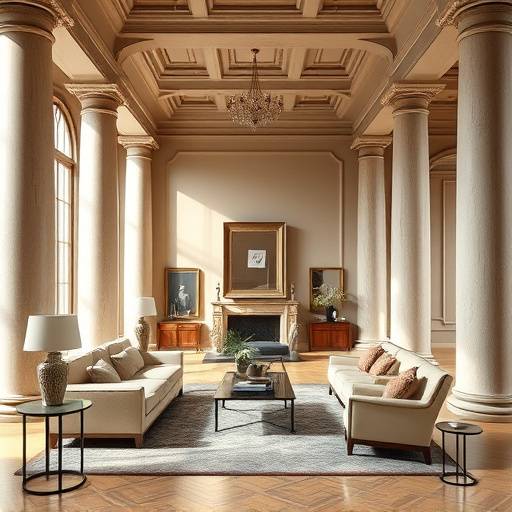
The Renaissance, a period of unprecedented artistic and intellectual flourishing in Italy, continues to exert a profound influence on modern Italian design. From the grand architecture of Florence to the masterful paintings of Leonardo da Vinci, the Renaissance provides a rich tapestry of inspiration for contemporary designers.
One of the most significant aspects of this influence is the emphasis on harmony and proportion. Renaissance artists and architects meticulously studied classical forms, striving to create works that were both beautiful and balanced. This pursuit of harmony is evident in modern Italian furniture design, where clean lines and elegant forms are often prioritized. Think of the balanced compositions in sofas and chairs, echoing the symmetrical layouts favored by Renaissance architects. Another influence is the deep understanding of light and shadow. Italian designers skillfully manipulate lighting to create dramatic effects, drawing inspiration from the chiaroscuro techniques employed by Renaissance painters like Caravaggio. This can be seen in the way lighting fixtures are used to highlight architectural details and create a sense of depth and dimension in interior spaces.
By: Isabella Rossi, Art Historian at the Accademia di Belle Arti di Roma
The Rise of Sustainable Design in Rome: A Green Revolution
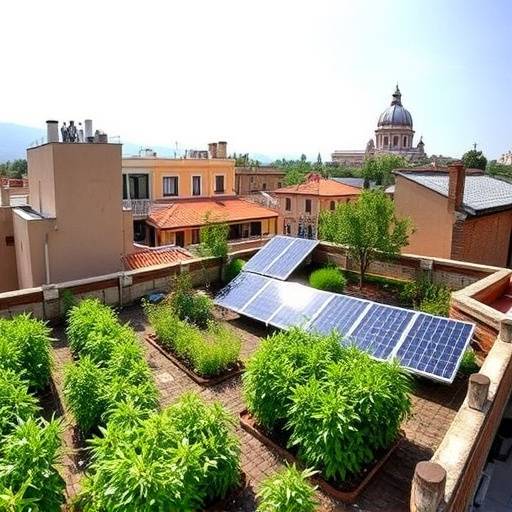
Rome, a city steeped in history, is embracing a green revolution in design. Architects and designers are increasingly incorporating sustainable practices into their work, creating spaces that are both aesthetically pleasing and environmentally responsible.
The use of recycled materials is becoming increasingly popular, with designers repurposing everything from reclaimed wood to salvaged metal. This not only reduces waste but also adds a unique character to buildings and interiors. Imagine walking into a Roman trattoria where the tables are crafted from reclaimed wooden doors, and the lighting fixtures are made from recycled glass bottles – a testament to sustainable creativity! Energy efficiency is another key focus, with designers incorporating passive solar heating and cooling techniques, as well as utilizing renewable energy sources such as solar panels. The architectural landscape of Rome is slowly but surely evolving, integrating green roofs and vertical gardens that not only improve air quality but also provide a tranquil escape from the bustling city.
The move towards sustainable design is not merely a trend; it’s a commitment to preserving Rome's beauty for future generations. The city's ancient history and vibrant culture are intertwined, and sustainable design ensures that this legacy continues to thrive.
By: Marco Giuliani, Environmental Architect at EcoDesign Roma
The Art of Aperitivo: Design and Culture Collide in Rome's Cafes
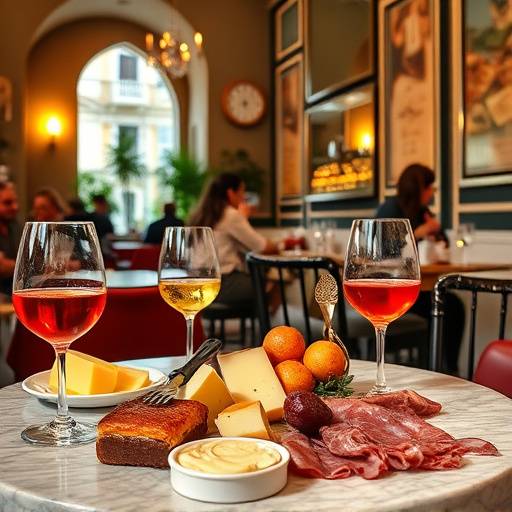
The aperitivo, a beloved Italian tradition, is more than just a pre-dinner drink; it's a social ritual that embodies the Italian zest for life. In Rome, cafes have transformed the aperitivo into an art form, where design and culture intertwine to create a unique experience.
The ambiance of Roman cafes plays a crucial role in the aperitivo experience. Many establishments have embraced a modern aesthetic, with sleek furniture, minimalist décor, and carefully curated lighting. Others opt for a more traditional approach, with vintage furnishings, exposed brick walls, and antique artwork. Regardless of the style, the goal is to create a welcoming and convivial atmosphere. The presentation of the aperitivo spread is also a key element of the design. Cafes often serve a selection of artisanal cheeses, cured meats, olives, and other delicacies, arranged on elegant platters and accompanied by stylish glassware. This attention to detail elevates the aperitivo into a visual feast.
The aperitivo culture in Rome reflects the city's vibrant social scene, where people gather to relax, converse, and enjoy the simple pleasures of life. The blend of design and culture creates an unforgettable experience that captures the essence of Italian hospitality.
By: Sofia Benedetti, Food and Culture Writer at Roma Gourmet
The Influence of Italian Futurism on Contemporary Graphic Design
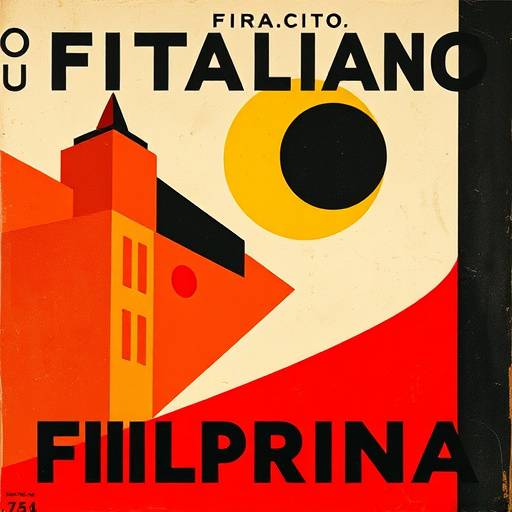
Italian Futurism, an early 20th-century avant-garde movement, continues to inspire contemporary graphic designers with its radical ideas and energetic aesthetic. Founded by Filippo Tommaso Marinetti in 1909, Futurism celebrated the dynamism of modern life, speed, technology, and the beauty of the machine age.
One of the key elements of Futurism that resonates with contemporary designers is its experimental approach to typography. Futurist artists like Carlo Carrà and Fortunato Depero broke away from traditional typographic conventions, creating dynamic and expressive compositions that incorporated a variety of typefaces, sizes, and orientations. This bold experimentation continues to inspire designers to push the boundaries of typography and create visually arresting layouts. Another defining feature of Futurism is its use of vibrant colors and dynamic shapes. Futurist painters like Umberto Boccioni and Giacomo Balla captured the sensation of movement and energy through bold color palettes and fragmented forms. This dynamic aesthetic has influenced contemporary graphic designers who seek to create designs that are both visually striking and emotionally engaging.
The Futurist movement's celebration of technology and innovation also resonates with contemporary designers who are constantly exploring new digital tools and techniques. Futurism's legacy is evident in the bold, experimental, and dynamic designs that continue to push the boundaries of graphic communication.
By: Alessandro Mancini, Graphic Design Professor at Istituto Europeo di Design
Italian Craftsmanship: Preserving Ancient Techniques in a Modern World
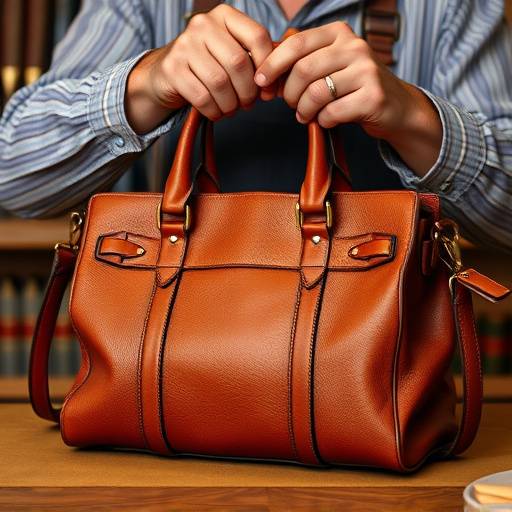
Italy is renowned for its rich tradition of craftsmanship, where artisans have honed their skills for generations, creating exquisite products that are both beautiful and functional. From leather goods to ceramics, from glassblowing to woodworking, Italian craftsmanship represents a unique blend of artistry, skill, and heritage.
Many Italian artisans are dedicated to preserving ancient techniques that have been passed down through families for centuries. In Florence, leather craftsmen continue to use traditional methods to create high-quality handbags, wallets, and belts. In Murano, glassblowers still employ techniques that date back to the Roman Empire, creating stunning works of art from molten glass. In Faenza, ceramic artists meticulously hand-paint intricate designs on pottery, carrying on a tradition that has been practiced for centuries. These artisans are not merely producing goods; they are preserving a cultural legacy.
Italian craftsmanship is characterized by a commitment to quality and attention to detail. Artisans carefully select the finest materials and employ meticulous techniques to create products that are built to last. This dedication to quality ensures that Italian-made goods are highly valued around the world. By supporting Italian craftsmanship, we not only acquire beautiful and durable products but also help to preserve a valuable cultural heritage.
By: Francesca Lombardi, Cultural Heritage Specialist at the Ministero della Cultura